Glossary
Browse our comprehensive glossary of terms from tarot, astrology, numerology, and esoteric traditions. Use the search bar or browse alphabetically.
G
I
W
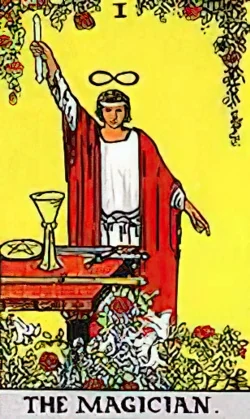
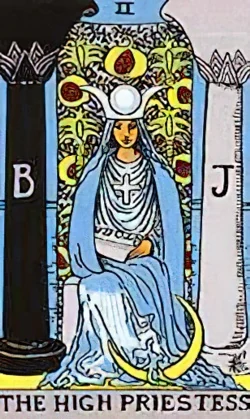
The esoteric glossary provides A-Z definitions of key terms from tarot, astrology, numerology, mancy (divination), and related spiritual traditions. Each entry traces the historical origin of a concept, its development across cultures and time periods, its practical application in divination and meditation, and its deeper philosophical significance. The glossary covers terms from the Major Arcana of tarot (The Fool, The Magician, The High Priestess) through astrological concepts (natal chart, retrograde, house system) to numerology (Life Path number, master numbers, karmic debt) and mancy practices (divination, geomancy, capnomancy). All definitions are grounded in historical scholarship and comparative esotericism, avoiding vague spiritual jargon in favor of specific, verifiable information.
Frequently Asked Questions
Why are there different interpretations for the same term?
Esoteric terms evolved across multiple cultures and time periods. The Fool card, for example, originated as a trivial card in 15th-century Italian card games before being assigned mystical meaning by 18th-century French occultists. Different traditions (Golden Dawn, Rider-Waite-Smith, Marseille, Kabbalistic) assign different correspondences. We present the most historically grounded interpretations while noting where traditions differ.
Are these definitions authoritative?
These definitions synthesize scholarship from multiple sources: historical tarot research (e.g., Mary K. Greer, Lo Scarabeo), astrological tradition (e.g., Robert Hand, Stephen Arroyo), numerology (e.g., Robert Glasser, PLA), and comparative religion. No single source is authoritative for all esoteric terms—different traditions legitimately disagree. We present the consensus view while noting significant alternatives.
Can I contribute to the glossary?
Currently the glossary is maintained by our editorial team. We welcome suggestions for additional terms through our contact page. Submissions should include the term, your proposed definition, and sources. We evaluate all submissions for historical accuracy and clarity before adding new entries.
How often is the glossary updated?
New entries are added monthly, and existing entries are reviewed quarterly for accuracy. Esoteric scholarship evolves as new historical documents are discovered and interpreted. We update entries when new research significantly changes the understanding of a term or concept.