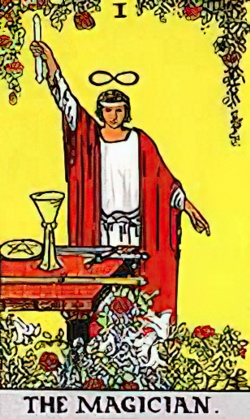
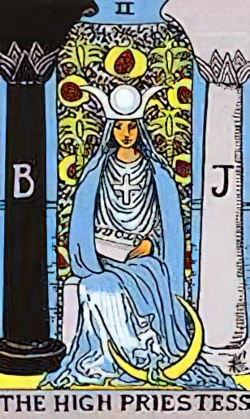
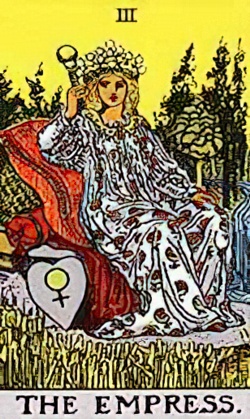
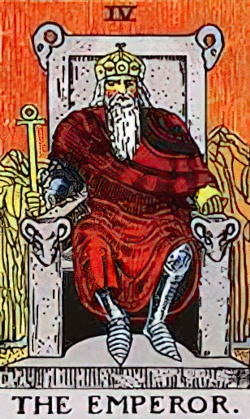
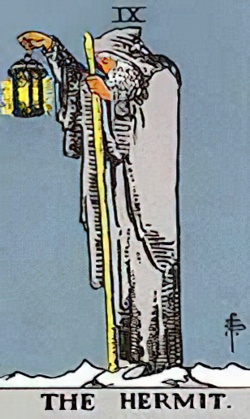
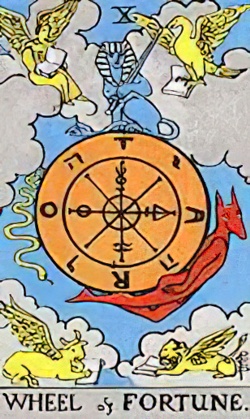
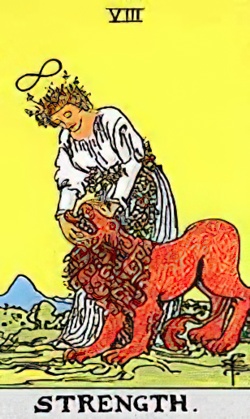
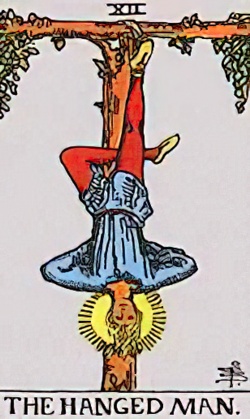
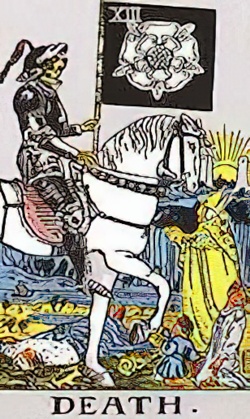
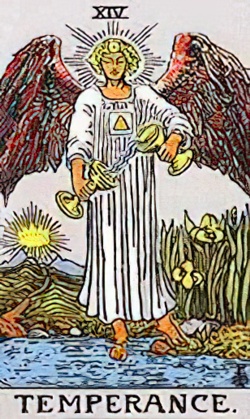
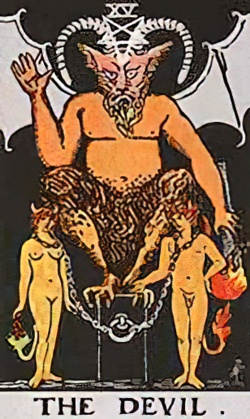
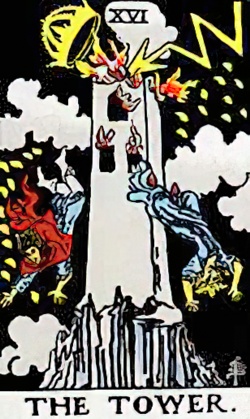
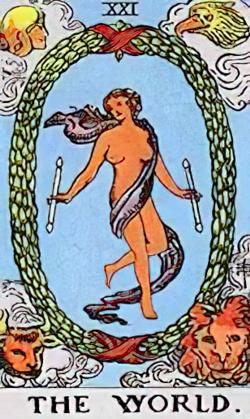
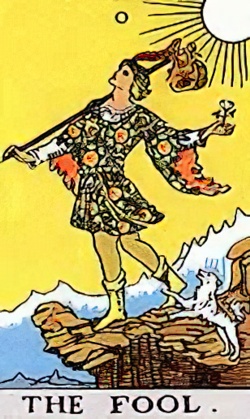
Major Arcana
TarotMajor Arcana
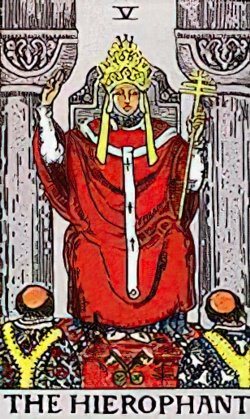
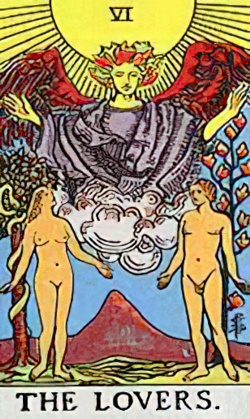
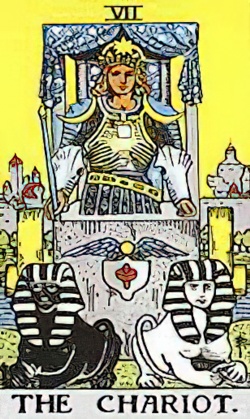
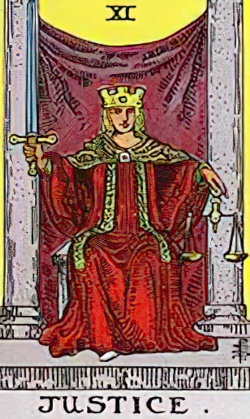
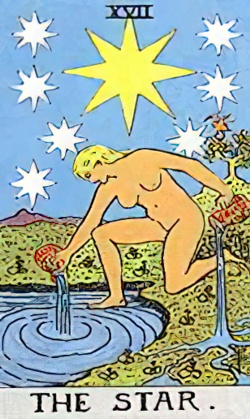
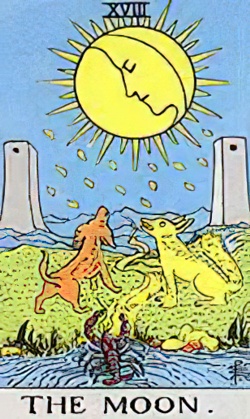
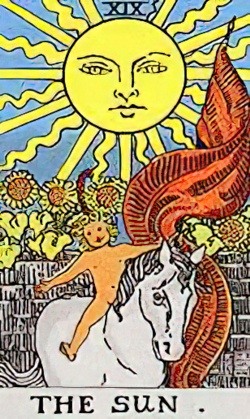
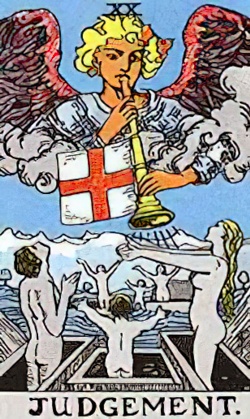
The Major Arcana form a series of 22 figures in the tarot, differentiated from the cards of the four suits. Each figure opens its own symbolic field. Its presence allows for the exploration of broad themes, but it does not demonstrate that a situation is more important nor that there exists a fixed destiny.
How it is structured
In a deck of 78 cards, the Majors coexist with 56 Minors. The numbering depends on the model: in Marseille, Justice is usually VIII and Strength XI; in Rider-Waite-Smith they are exchanged. The Fool usually carries 0 in Rider and may lack a number in other models. It is advisable to identify the card by its name and image.
Useful distinctions
The so-called journey of The Fool is a way to connect the series as a symbolic passage. It can serve for learning, without turning every reading into an obligatory stage. In an application that uses only Majors, if three Majors appear it is a consequence of the available deck: it is not an extraordinary sign.
A practical example
Imagine The Magician, The Hanged Man and Temperance in a question about a project. The initiative finds a pause that modifies the view; the exchange of the last card raises how to adjust the pace. The set allows reading a relationship between symbols without imposing a calendar or a hierarchy among cards.
Bring it into your reading
What does each image contribute to the question, and what changes when you read them together?