Mancy & Divination Arts
Explore our collection of free online tools in this category.

Coffee Reading
The application chooses three different symbols from a catalogue of 30 and places them in an animated cup.
Open
Pendulum Divination
The pendulum randomly selects yes, no or maybe and represents the result through its movement.
Open
Homomancy (Salt Reading)
Watch the salt fall into one of this application's 12 patterns.
Open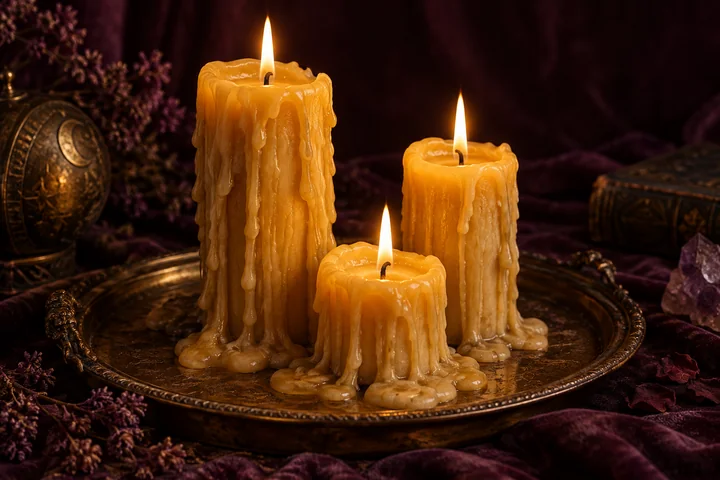
Candle Reading
Light the animated candle and observe one of the catalogue's 14 behaviours.
Open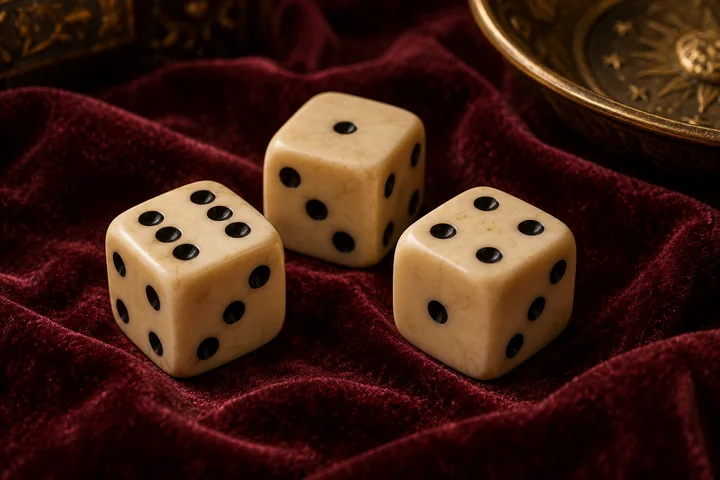
Dice Divination
Choose a roll of one, two or three six-sided dice.
Open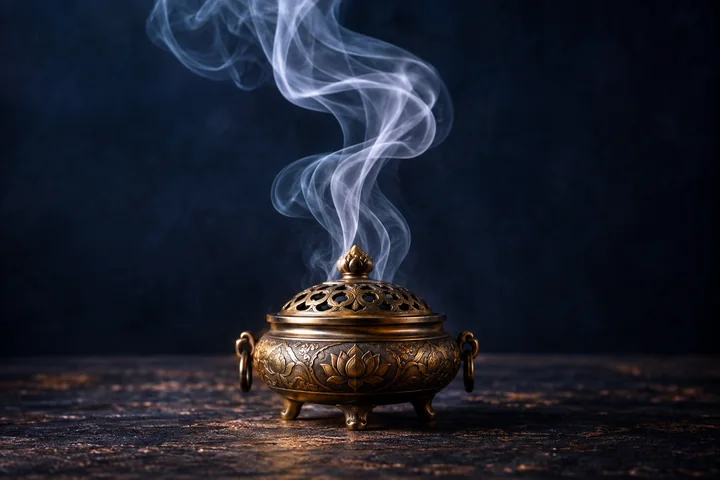
Smoke Reading
Watch an animation of one of the catalogue's 17 smoke phenomena.
Open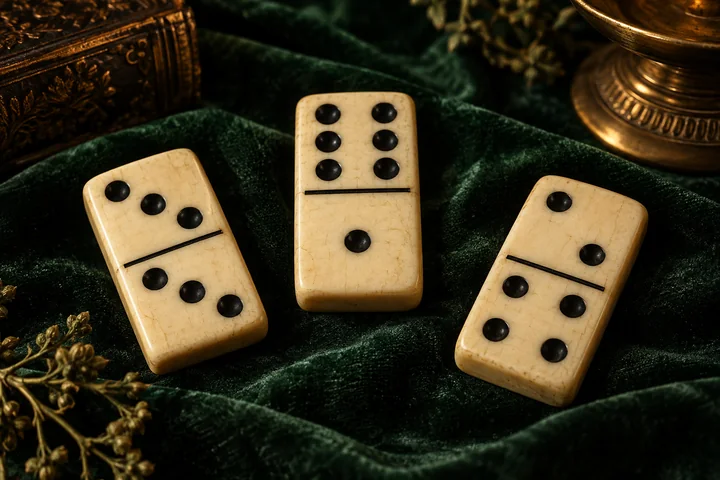
Domino Divination
Choose one or three different tiles from a 28-piece domino set.
Open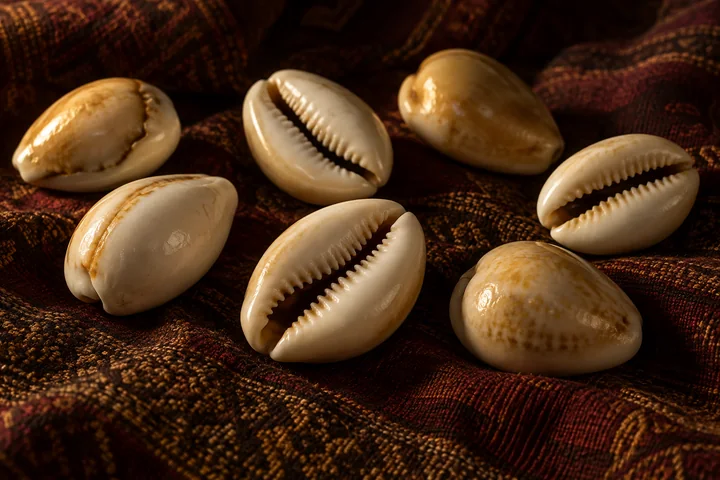
Shell Casting
Cast three different shells from a catalogue of 16.
Open
Dream Interpretation
Explore your dream with AI using what you remember and how you felt. Get a personal reading and save the account with your notes, without signing up.
Open
Interactive palm reading
Compare your palm lines with the illustrations and explore a reading of their combination.
Open
Bibliomancy
Open the Book of Thresholds. An original passage and its reading offer another way to view your situation.
Open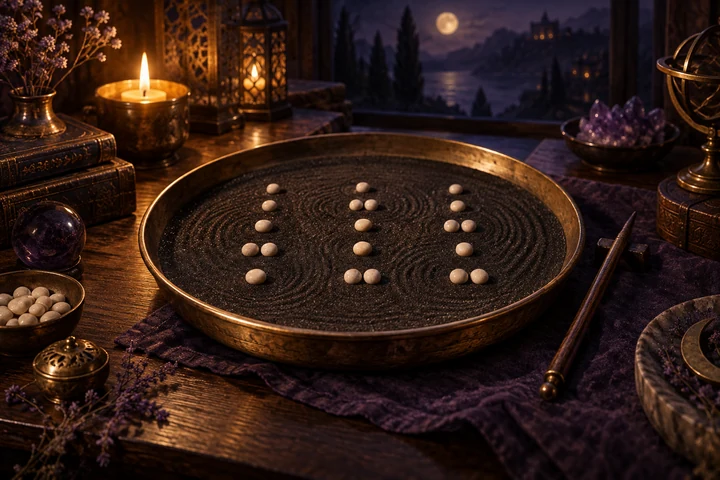
Geomancy
Cast points, form the sixteen figures and discover the combined reading of your geomantic shield.
Open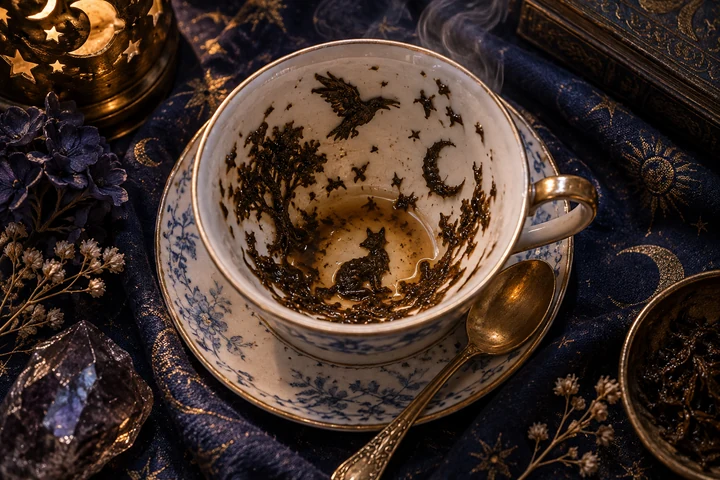
Tasseomancy · Tea Leaf Reading
Choose the shapes you recognize and where they appear in the cup.
Open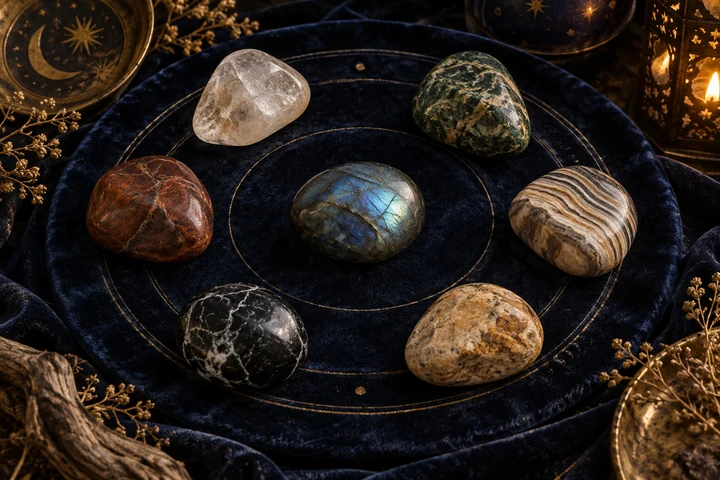
Lithomancy · Stone Reading
Seven stones in a circle. Position and proximity shape the reading.
Open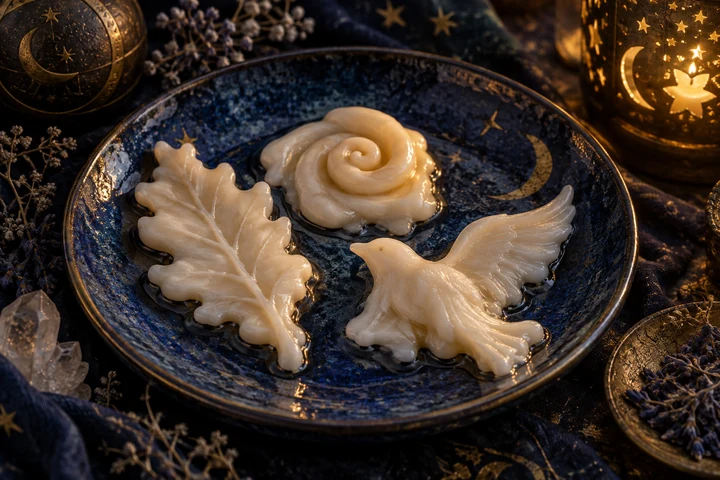
Ceromancy · Wax Shapes
A silhouette gallery to interpret the shapes that catch your attention.
Open
Astrology Dice
A planet, a sign and a house. Three dice join in one answer for your situation.
Open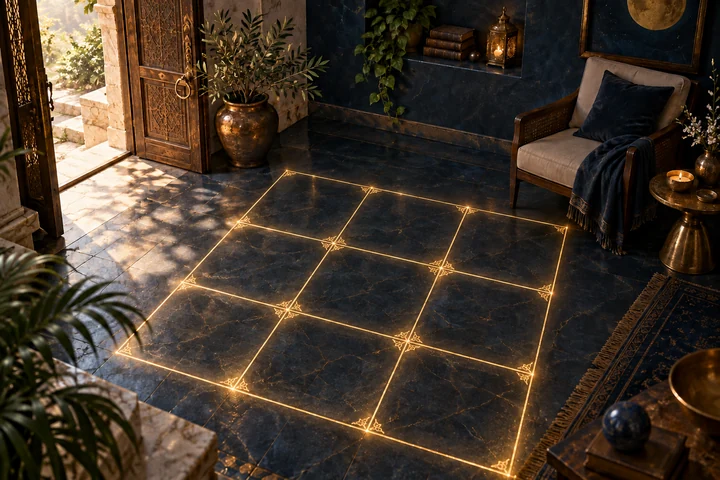
Feng Shui for Your Space
Sketch a room, mark its entrance and explore nine zones with suggestions for your goal.
Open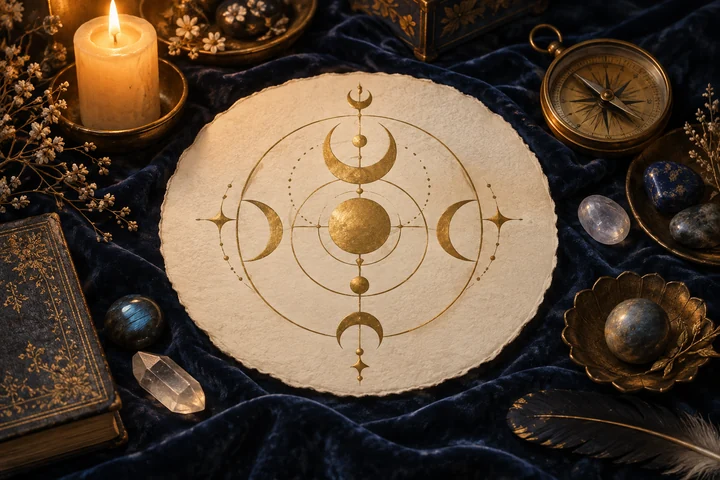
Create your personal sigil
Turn the letters of an intention into your own symbol. Change its composition, adjust the strokes and download your design.
Open
Create your intention ritual
Choose a purpose, a few minutes and a symbolic element. Create a simple practice and pair it with a concrete action in everyday life.
Open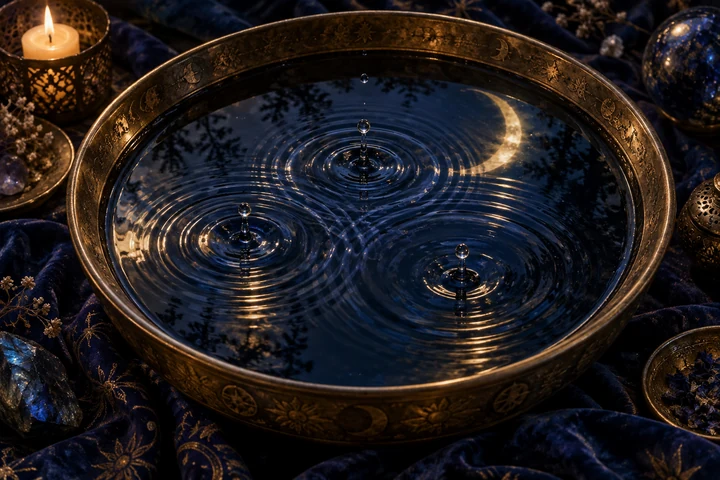
Hydromancy · Reading the water
Drop three droplets and explore what their meeting ripples suggest.
Open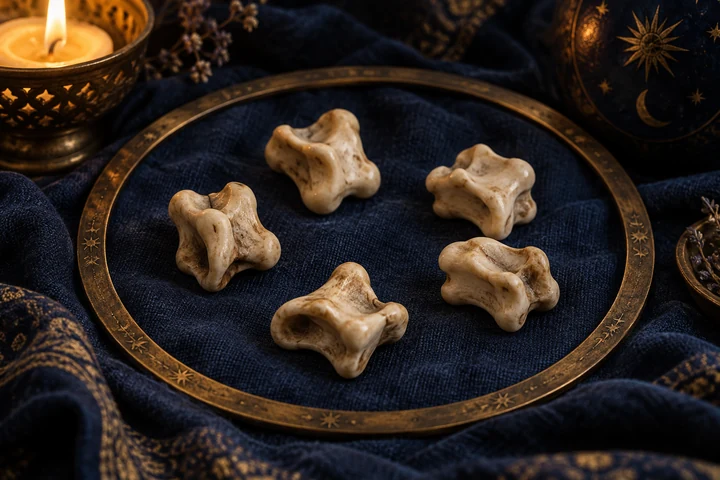
Astragalomancy · Knucklebone oracle
Cast five knucklebones and discover the opportunity, challenge and next step suggested by their combination.
Open
Ornithomancy · The flight of birds
Watch birds gather and move apart. Their flight shapes your reading.
Open
Nephomancy · Cloud reading
Three skies, the shapes you recognise and a symbolic reading of their evolution.
Open