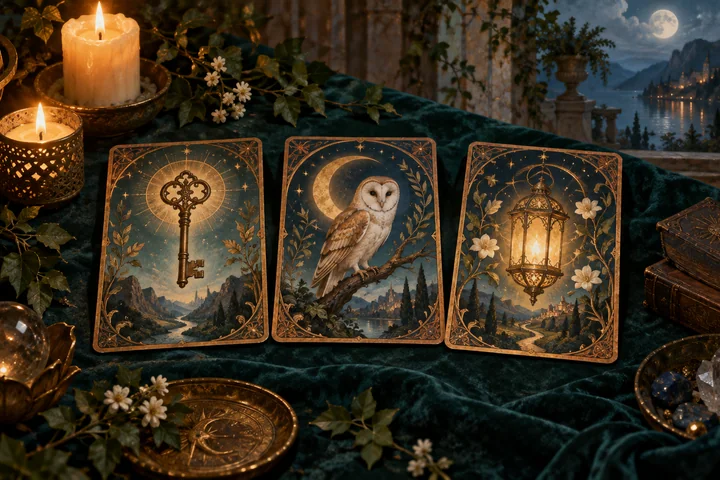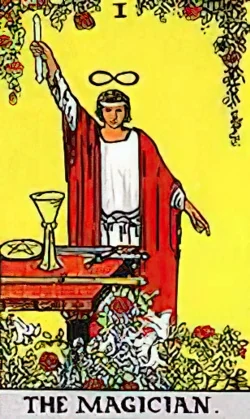
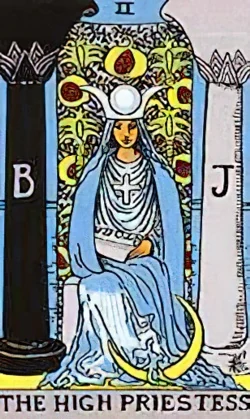
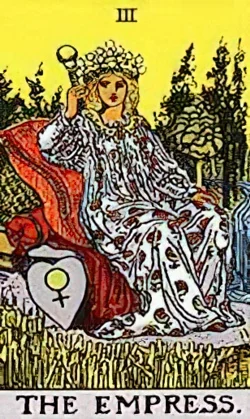
The Rider-Waite tarot deck, published in 1909 by the Waite-Smith Publishing Company, is the most widely used tarot deck in the English-speaking world. Created by ceremonial magician A. E. Waite and illustrated by artist Pamela Colman Smith, this deck revolutionized tarot by placing full scenes on every card of the Minor Arcana—previously, only court cards and the Ace of each suit featured imagery. The deck's 78 cards include 22 Major Arcana cards (the Fool through the World) and 56 Minor Arcana cards divided into four suits: Wands (creativity and action), Cups (emotions and relationships), Swords (intellect and conflict), and Pentacles (material world and resources).
Frequently Asked Questions
What makes Rider-Waite different from other tarot decks?
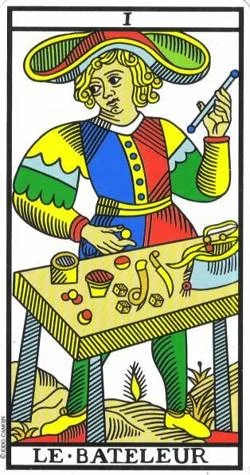
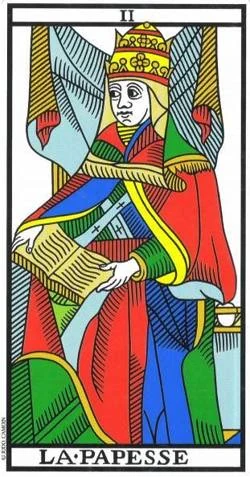
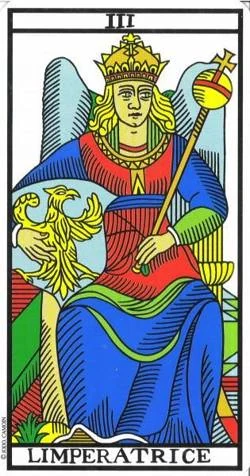
The Rider-Waite deck is unique because every single card (including numbered cards like the Three of Cups) features a complete illustrated scene. Earlier decks like the Marseille tarot only showed card symbols on the Minor Arcana. This pictorial approach allows readers to derive meaning directly from the imagery without memorizing complex numerical correspondences. The deck's symbolism draws from the Golden Dawn's Kabbalistic system, but its accessibility made it the default learning tool for generations of readers.
Can I use this deck for daily draws?
Absolutely. The Rider-Waite deck is well-suited for daily draws because its imagery is immediately recognizable. A quick one-card daily pull gives you a theme to reflect on throughout the day. Many readers use a single morning card as a lens for decision-making rather than a prediction.
What does it mean when a card is reversed?
A reversed card appears when you draw the card upside-down relative to its upright position. In Rider-Waite interpretation, reversals typically indicate blocked, delayed, or internalized energy. The Five of Wands upright shows open conflict; reversed, it may indicate internal tension or conflict you are avoiding. Not all readers use reversals—some prefer to interpret all cards upright for a more focused reading.
Is this reading powered by AI?
Yes. After the cards are drawn, an AI language model generates a personalized interpretation connecting the drawn cards, their positions, and their traditional meanings. This supplement is designed to mirror the synthesis a human reader would provide—looking for patterns, contradictions, and themes across the cards. The card selection itself is random, not AI-generated.