Cultural Horoscopes
Explore our collection of free online tools in this category.

Cosmic Daily Oracle
Select your sign, a day and the area you want to explore. You can add a name to accompany the question. The application generates a themed AI reading.
Open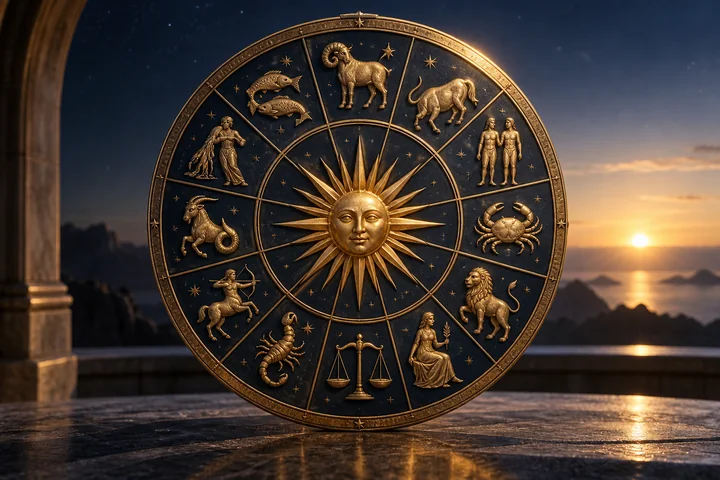
Daily Horoscope
Select a zodiac sign and one of the available days. The application displays an AI reading organised into areas of life.
Open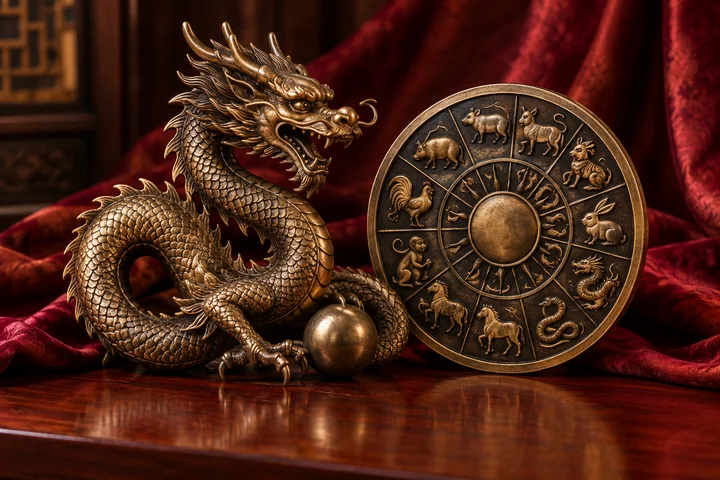
Chinese Horoscope
Discover your Chinese year’s animal and element, then explore their imagery through examples for your own reading.
Open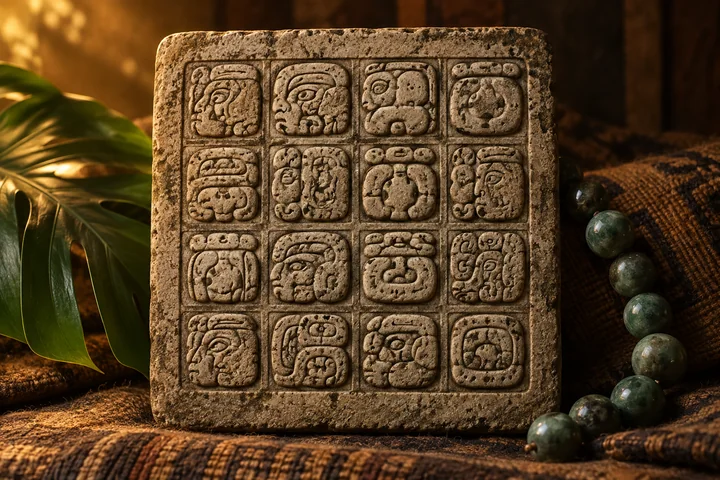
Mayan Horoscope
Find your Tzolk’in day’s number and name, accompanied by a symbolic reading with its own example and reflection question.
Open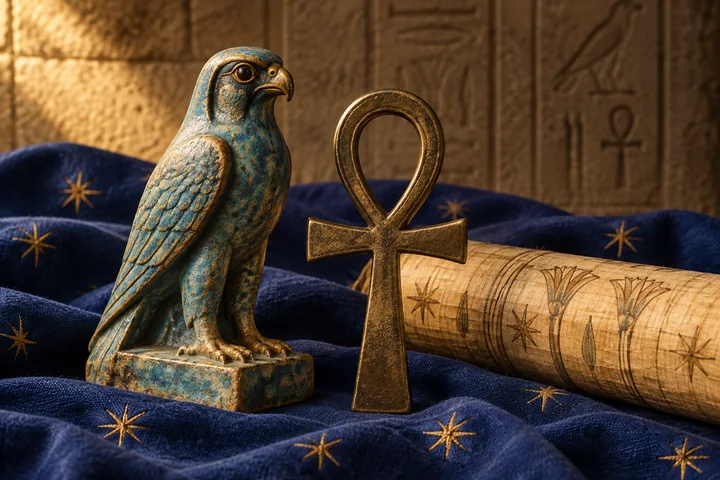
Egyptian Horoscope
Explore the deity associated with your date in this version and use its image to open a personal reading, with an example and a question.
Open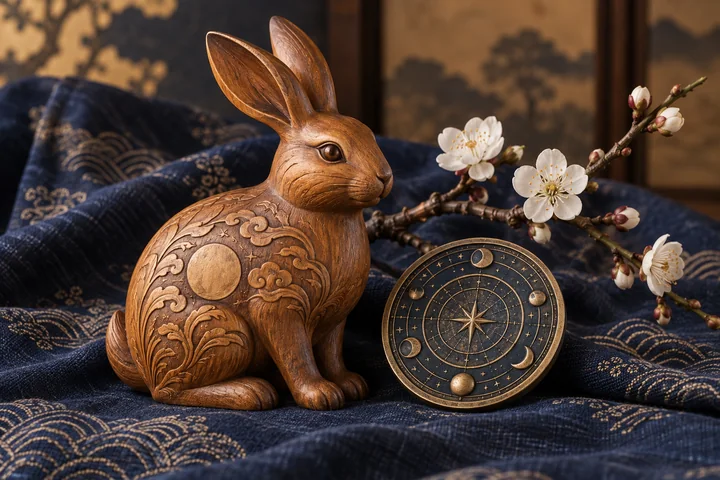
Japanese Horoscope
Explore your Japanese eto animal together with its element and polarity, using images and questions to consider their nuances.
Open
Tibetan Horoscope
Find your animal, element, polarity and annual Mewa, then explore the reading through examples that leave room for reflection.
Open
Your Four Pillars · BaZi
Year, month, day and hour: explore your Chinese Four Pillars chart.
Open
Your Lunar Nakshatra
Discover your birth lunar mansion, its symbol and the nuances of its pada.
Open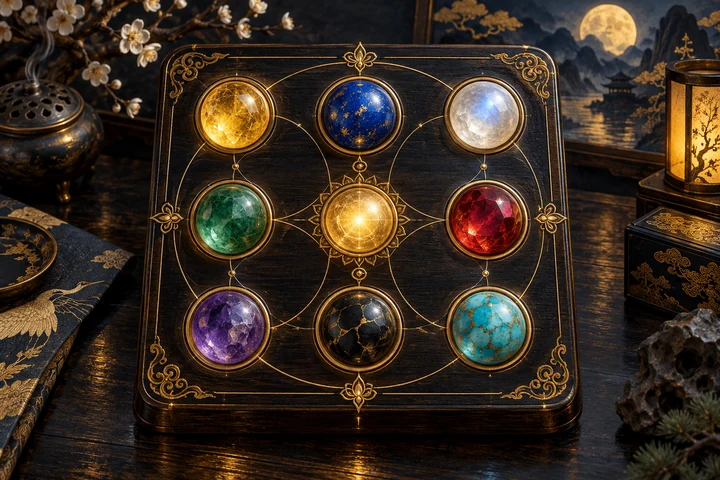
Nine Star Ki
Your natal number and nine stages of your yearly cycle, on an explorable board.
Open
Daily Panchanga · Your Vedic day
Five elements of the Vedic calendar, with times for your location.
Open