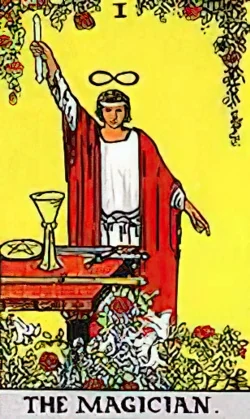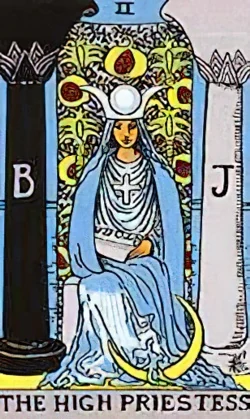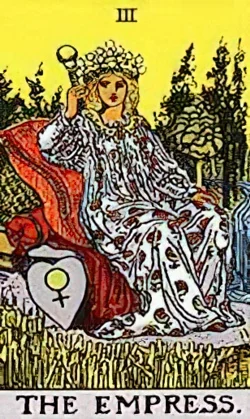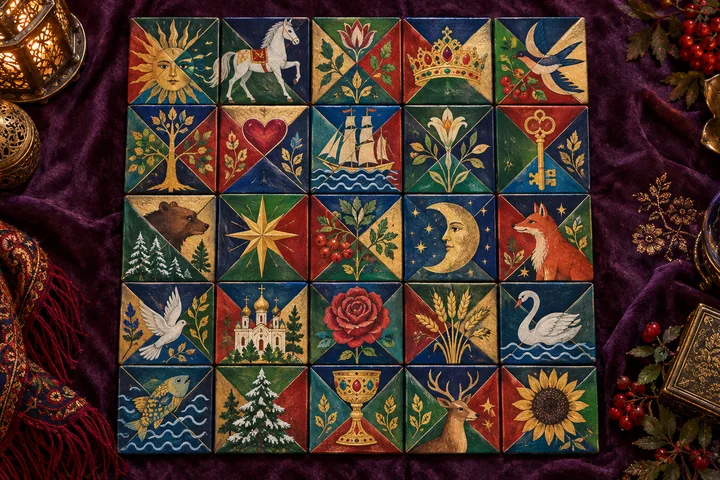

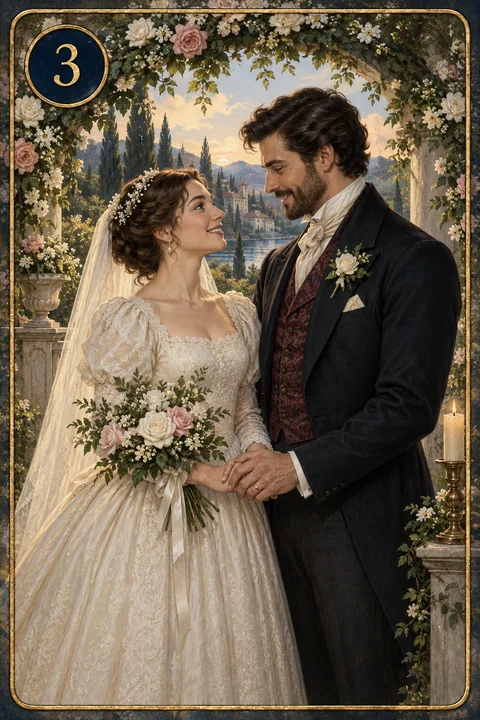
The Gypsy tarot deck, also known as the Roma tarot or "Zigeunertarot" in German, is a 54-card divination system rooted in Romani (Gypsy) folk traditions. Unlike the structured 78-card tarot decks, the Gypsy deck uses a smaller set of highly symbolic cards, each depicting a clear image drawn from everyday Romani life and the natural world. The deck was popularized in Central Europe in the 19th century and has since become one of the most widely used oracle systems for everyday divination. Its strength lies in its directness: each card shows a concrete situation or symbol that can be read immediately without extensive memorization of correspondences.
Frequently Asked Questions
How is the Gypsy tarot different from regular tarot?
The Gypsy deck has 54 cards versus the 78 cards of traditional tarot. Its imagery is more concrete and everyday-oriented, while tarot imagery is more archetypal and symbolic. The Gypsy system is designed for practical, specific answers to daily life questions, while tarot tends toward broader psychological and spiritual themes. The reading methods are also different—Gypsy divination uses a specific sequential layout system.
Is the Gypsy deck only for Romani people?
No. While the deck originates in Romani divination tradition, it has been widely adopted by non-Romani readers for over a century. The cards' imagery and meanings are universal enough to be understood and used by anyone interested in divination. The deck is appreciated for its straightforward approach and practical guidance.
How accurate are Gypsy tarot readings?
The accuracy of any divination system depends on the reader's skill, the clarity of the question, and the reader's openness to the process. The Gypsy deck is particularly valued for its concrete, specific answers that can be directly applied to daily life. Many readers find it more immediately practical than traditional tarot because the card meanings are more direct and less abstract.
Can I use the Gypsy deck for yes/no questions?
Yes, the Gypsy deck is well-suited for yes/no questions. Cards like the Sun, Cross, and Ring typically indicate positive outcomes, while Death, Snake, and Mice suggest caution or negative outcomes. However, the deck is most effective when used for open-ended questions that allow for nuanced, multi-faceted guidance.